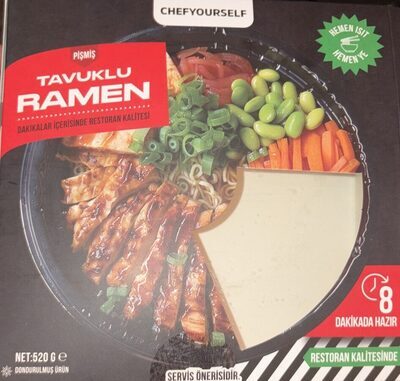
Tavuklu Tamen
38
Nutrition Score
Poor

Tavuklu Tamen

8684166800098
Starts at 50. Rises with whole foods, proteins, vitamins; drops with added sugars, trans fats, and syrups.
54
Hazard Score
Use with caution
18
Mirella Index
Basic
Quality category: Gourmet (80+), Everyday (50–79), or Basic (0–49)
Ingredients
Water
Water  ·  No known concerns
The most common ingredient in processed foods.
Salt (Sodium Chloride)
Salt  ·  −2 pts
Moderate health concern Source: WHO, FDA
Common table salt used for flavouring and preservation. High intake is linked to hypertension.
Soya (Soybean)
SoyaIng  ·  −2 pts
Moderate health concern Source: EFSA, FDA
Contains soybeans
Common allergen; also a source of protein and plant-based alternatives. Phytoestrogen content.
Sugar (Sucrose)
Sugar  ·  −4 pts
Moderate health concern Source: WHO, FDA
Common refined sugar. High consumption is linked to obesity, type 2 diabetes, and tooth decay.
wheat
wheat  ·  No known concerns
Contains cereals containing gluten
Cereal grain milled into flour for bread, pasta, and baked goods. Contains gluten.
Plain Caramel
E150a  ·  No known concerns
Natural brown colorant made by heating sugar, used to darken drinks, sauces, and baked goods.
Lactic Acid
E270  ·  No known concerns
Natural acid produced by fermentation. Safe preservative and acidity regulator in many foods.
Sodium Benzoate
E211  ·  −5 pts
Moderate health concern Source: FDA, EFSA
Common preservative. Can react with Vitamin C to form benzene (a known carcinogen).
Disodium Inosinate
E631  ·  −3 pts
Moderate health concern Source: EFSA
Flavour enhancer that boosts umami. Produced from meat or fermented tapioca. Not vegetarian.
Disodium Guanylate
E627  ·  −3 pts
Moderate health concern Source: EFSA
Flavour enhancer often used with MSG to intensify umami taste. Derived from fish or meat.
corn starch
corn starch  ·  No known concerns
Powdered starch extracted from corn kernels, used as a thickener in sauces, soups, and baked goods.
Bell Pepper
BellPepper  ·  No known concerns
Sweet pepper variety eaten raw or cooked, available in green, red, yellow, and orange. High in vitamin C.
Acetic Acid (Glacial)
E260  ·  −2 pts
Moderate health concern Source: FDA
Concentrated acid used to fake traditional fermentation in cheap vinegars (synthetic vinegar). Safe but nutritionally empty.
Citric Acid
E330  ·  No known concerns
Natural organic acid used as an antioxidant and flavoring. Safe for ingestion.
Garlic
Garlic  ·  No known concerns
Pungent bulb from the allium family, used fresh, dried, or powdered as a flavoring in savory cooking.
Modified Starch
ModStarch  ·  −2 pts
Moderate health concern Source: EFSA, FDA
Chemically or physically treated starch for improved cooking properties. Generally safe.
Maltodextrin
MaltodextrinIng  ·  −4 pts
Moderate health concern Source: FDA, EFSA
Highly processed starch derivative. Very high glycaemic index, used as filler and thickener.
Natural Flavouring
NatFlavour  ·  No known concerns
Catch-all term for flavour compounds derived from natural sources (plants, animals, fermentation).
potato starch
potato starch  ·  No known concerns
Starch extracted from potatoes, used as a thickener and binder in sauces, baked goods, and gluten-free recipes.
Yeast Extract
YeastExt  ·  −2 pts
Moderate health concern Source: EFSA, FDA
Flavour enhancer with natural umami taste from autolysed yeast. Contains naturally occurring glutamates.
Chicken Fat
ChickenFat  ·  −2 pts
Rendered fat from chicken, used for frying and flavoring in traditional cooking.
Onion Powder
OnionPowder  ·  No known concerns
Dehydrated, ground onion used as a convenient seasoning in spice blends and processed foods.
Celery
Celery  ·  No known concerns
Contains celery
Crunchy stalk vegetable eaten raw or cooked, low in calories. Contains celery allergen.
Vinegar Powder
VinegarPowder  ·  No known concerns
Turmeric
Turmeric  ·  No known concerns
Bright yellow spice from a root related to ginger, used in curries and valued for its curcumin content.
Chicken Meat
ChickenMeat  ·  No known concerns
Poultry meat from chicken, a lean source of protein used fresh, frozen, or processed.
Sesame Oil
SesameOil  ·  No known concerns
Contains sesame
Edible vegetable oil derived from sesame seeds. Frequently used in Asian cuisine.
Soybean Oil
SoybeanOil  ·  No known concerns
Contains soybeans
Vegetable oil pressed from soybeans, widely used for cooking and in processed foods. Contains soy allergen.
Ginger
Ginger  ·  No known concerns
Pungent, spicy root used fresh, dried, or ground in cooking and drinks.
Chili / Cayenne
Chili  ·  No known concerns
Hot pepper used fresh, dried, or ground to add heat to dishes.
Orange Peel
OrangePeel  ·  No known concerns
Outer skin of the orange, used fresh, dried, or candied to add citrus flavor and aroma.
Sesame Seeds
SesameSeed  ·  No known concerns
Contains sesame
Small oilseeds with a nutty flavor, used whole, ground into tahini, or pressed for oil. Contains sesame allergen.
Black Cumin (Nigella Seed)
BlackCumin  ·  No known concerns
Nigella sativa seed used as a spice/seasoning, commonly on breads and crackers.
Basil
Basil  ·  No known concerns
Aromatic herb with a sweet, peppery flavor, used fresh or dried in Mediterranean and Asian dishes.
Spices
Spices  ·  No known concerns
General term for dried plant-based seasonings such as pepper, cumin, or cinnamon, used to flavor dishes.
sunflower oil
sunflower oil  ·  No known concerns
Vegetable oil pressed from sunflower seeds, commonly used for cooking and frying due to its light flavor.
Glucose (Dextrose)
Glucose  ·  −3 pts
Moderate health concern Source: EFSA, FDA
Simple sugar used as a sweetener, energy source, and in food processing. High GI.
Carrageenan
E407  ·  −5 pts
Moderate health concern Source: EFSA
Thickener extracted from red seaweed. Some controversial evidence links degraded types to gut inflammation.
Diphosphates (Sodium/Potassium)
E450  ·  −5 pts
Moderate health concern Source: EFSA
Water-binding stabilizers heavily used in industrial minced meat and sausages to artificially add weight. High intake may impair calcium absorption.
Potassium Phosphate
E340  ·  −2 pts
Mineral salt used as an acidity regulator and emulsifier in processed cheese, meat, and baked goods.
Sodium Citrate
E331  ·  No known concerns
Salt of citric acid used to control acidity and as an emulsifier in processed cheese, drinks, and desserts.
Ascorbic Acid (Vitamin C)
E300  ·  No known concerns
Natural antioxidant vitamin. Used to prevent oxidation in foods and beverages. Safe and beneficial.
Sodium Lactate
E325  ·  No known concerns
Sodium salt of lactic acid used naturally as an antioxidant and bulking agent in processed meats and doughs.
Sodium Acetates
E262  ·  No known concerns
Sodium salt of acetic acid. Used as seasoning (salt and vinegar flavor) and preservative.
Egg
Egg  ·  No known concerns
Contains eggs
Whole chicken egg, used as a binding, leavening, and enriching ingredient in countless recipes. Contains egg allergen.
Carrot
Carrot  ·  No known concerns
Crunchy orange root vegetable eaten raw or cooked, a good source of beta-carotene.
Spring Onion
SpringOnion  ·  No known concerns
Young onion harvested before the bulb fully forms, eaten raw or lightly cooked with a mild flavor.
Advertisement
Community Reviews

Please log in to leave a review. Login

Something wrong with this product's data? v