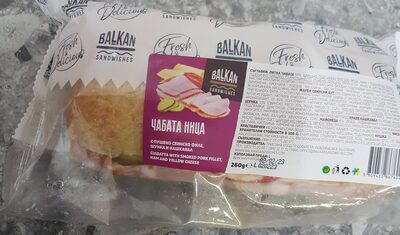
Chiabata
49
Nutrition Score
Poor

Chiabata

3809432867604
Starts at 50. Rises with whole foods, proteins, vitamins; drops with added sugars, trans fats, and syrups.
37
Hazard Score
Hazardous
45
Mirella Index
Basic
Quality category: Gourmet (80+), Everyday (50–79), or Basic (0–49)
Ingredients
wheat
wheat  ·  No known concerns
Contains cereals containing gluten
Cereal grain milled into flour for bread, pasta, and baked goods. Contains gluten.
Sourdough Starter
SourdoughStarter  ·  No known concerns
Live fermentation culture of wild yeast + lactobacilli used to leaven bread.
Lactobacillus bulgaricus & Strep. thermophilus
YogurtCult  ·  No known concerns
Live active bacterial cultures responsible for traditional yogurt fermentation and gut health.
Gluten
GlutenIng  ·  −3 pts
Moderate health concern Source: EFSA, FDA
Contains cereals containing gluten
Protein complex in wheat, rye and barley. Causes coeliac disease in ~1% of population.
Ascorbic Acid (Vitamin C)
E300  ·  No known concerns
Natural antioxidant vitamin. Used to prevent oxidation in foods and beverages. Safe and beneficial.
Rennet
Rennet  ·  No known concerns
Enzyme complex that coagulates milk into curds for cheesemaking; sourced from animal stomach lining, microbial fermentation, or plants.
sunflower oil
sunflower oil  ·  No known concerns
Vegetable oil pressed from sunflower seeds, commonly used for cooking and frying due to its light flavor.
Salt (Sodium Chloride)
Salt  ·  −2 pts
Moderate health concern Source: WHO, FDA
Common table salt used for flavouring and preservation. High intake is linked to hypertension.
Yeast
Yeast  ·  No known concerns
Single-celled fungus used to ferment dough for bread and beer, or as a nutritional supplement (nutritional yeast).
Olive Oil
OliveOil  ·  No known concerns
Healthy monounsaturated fat from olives. Rich in polyphenols and oleic acid; supports heart health.
L-Cysteine
E920  ·  No known concerns
Amino acid used as a dough conditioner to improve elasticity in commercial bread. Often derived from feathers, hair, or synthesized microbially.
Pork Meat
PorkMeat  ·  No known concerns
Whole animal protein. Base component of traditional minced meat and sausages.
Water
Water  ·  No known concerns
The most common ingredient in processed foods.
Polyphosphates
E452  ·  −5 pts
Moderate health concern Source: EFSA
Water-binding phosphate salts used to improve texture and shelf life in processed meat, cheese, and seafood. High phosphate intake is linked to cardiovascular and kidney concerns.
Carrageenan
E407  ·  −5 pts
Moderate health concern Source: EFSA
Thickener extracted from red seaweed. Some controversial evidence links degraded types to gut inflammation.
Karaya Gum
E416  ·  No known concerns
Thickener/stabiliser from Sterculia tree gum.
Starch
Starch  ·  No known concerns
Generic starch, source unspecified on the label (not further identified as corn, potato, wheat, etc).
Milk Protein
MilkProtein  ·  No known concerns
Contains milk
Concentrated protein extracted from milk (casein and/or whey), added to boost protein content in processed foods. Contains milk allergen.
Soya (Soybean)
SoyaIng  ·  −2 pts
Moderate health concern Source: EFSA, FDA
Contains soybeans
Common allergen; also a source of protein and plant-based alternatives. Phytoestrogen content.
Sodium Erythorbate
E316  ·  −2 pts
Antioxidant that prevents discoloration in cured meats and canned foods; chemically similar to vitamin C but not nutritionally active.
Glucose (Dextrose)
Glucose  ·  −3 pts
Moderate health concern Source: EFSA, FDA
Simple sugar used as a sweetener, energy source, and in food processing. High GI.
Monosodium Glutamate
E621  ·  −5 pts
Moderate health concern Source: EFSA, FDA
Flavor enhancer. Linked to headaches and sensitivity reactions in high doses.
Natural Flavouring
NatFlavour  ·  No known concerns
Catch-all term for flavour compounds derived from natural sources (plants, animals, fermentation).
Sodium Nitrite
E250  ·  −15 pts
High health concern Source: IARC
Preservative in cured meats. Its nitrosamine by-products are a key mechanism behind IARC classifying processed meat consumption as Group 1 carcinogenic to humans.
Carmine (Cochineal extract)
E120  ·  −5 pts
Moderate health concern Source: EFSA
Natural red food coloring derived from crushed insects. Used in strawberry yogurts, sweets, and meats. Known allergen; can trigger asthma or anaphylaxis.
Plain Caramel
E150a  ·  No known concerns
Natural brown colorant made by heating sugar, used to darken drinks, sauces, and baked goods.
Annatto (Bixin)
E160b  ·  No known concerns
Natural yellow-red dye from the annatto seed. Used in cheeses and margarines. Rare allergy risk.
Ham (Cured Pork)
Ham  ·  −3 pts
Cured pork product, including raw/dry-cured ham (prosciutto crudo).
Lactose
Lactose  ·  −1 pts
Moderate health concern Source: EFSA, FDA
Contains milk
Milk sugar. Causes digestive issues in people with lactose intolerance.
Spices
Spices  ·  No known concerns
General term for dried plant-based seasonings such as pepper, cumin, or cinnamon, used to flavor dishes.
Sodium Phosphate
E339  ·  −2 pts
Phosphate additive; high intake of phosphates is monitored.
Kashkaval (Yellow Cheese)
Kashkaval  ·  No known concerns
Firm, yellow sheep's or cow's milk cheese popular across the Balkans, eaten sliced, grilled, or grated.
Milk
Milk  ·  No known concerns
Contains milk
Dairy liquid from cows or other mammals, a source of protein and calcium. Contains milk allergen.
Calcium Chloride
E509  ·  No known concerns
Inorganic compound used as a firming agent in canned vegetables and tofu coagulation.
Mayonnaise
Mayonnaise  ·  −2 pts
Creamy condiment made by emulsifying oil, egg yolk, and an acid such as vinegar or lemon juice.
Wine Vinegar
WineVin  ·  No known concerns
Natural vinegar produced from fermented red wine. Contains trace grape polyphenols.
corn starch
corn starch  ·  No known concerns
Powdered starch extracted from corn kernels, used as a thickener in sauces, soups, and baked goods.
Egg
Egg  ·  No known concerns
Contains eggs
Whole chicken egg, used as a binding, leavening, and enriching ingredient in countless recipes. Contains egg allergen.
Sugar (Sucrose)
Sugar  ·  −4 pts
Moderate health concern Source: WHO, FDA
Common refined sugar. High consumption is linked to obesity, type 2 diabetes, and tooth decay.
Guar Gum
E412  ·  No known concerns
Natural thickener from guar beans. Used in dairy products, sauces, and gluten-free products.
Xanthan Gum
E415  ·  No known concerns
Thickener and stabilizer produced by bacterial fermentation. Safe in normal food amounts.
Citric Acid
E330  ·  No known concerns
Natural organic acid used as an antioxidant and flavoring. Safe for ingestion.
Potassium Sorbate
E202  ·  −2 pts
Moderate health concern Source: EFSA, FDA
Widely used mild preservative to prevent mold. Generally recognized as safe within standard legal limits.
Cucumber
Cucumber  ·  No known concerns
Crisp, watery vegetable eaten raw in salads or pickled.
Acetic Acid (Glacial)
E260  ·  −2 pts
Moderate health concern Source: FDA
Concentrated acid used to fake traditional fermentation in cheap vinegars (synthetic vinegar). Safe but nutritionally empty.
Bell Pepper
BellPepper  ·  No known concerns
Sweet pepper variety eaten raw or cooked, available in green, red, yellow, and orange. High in vitamin C.
Community Reviews

Please log in to leave a review. Login

Something wrong with this product's data? v