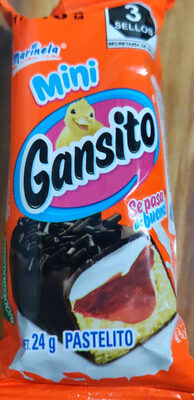
Pastelito
15
Nutrition Score
Poor

Pastelito

7501030419037
Starts at 50. Rises with whole foods, proteins, vitamins; drops with added sugars, trans fats, and syrups.
30
Hazard Score
Hazardous
10
Mirella Index
Basic
Quality category: Gourmet (80+), Everyday (50–79), or Basic (0–49)
Ingredients
Sugar (Sucrose)
Sugar  ·  −4 pts
Moderate health concern Source: WHO, FDA
Common refined sugar. High consumption is linked to obesity, type 2 diabetes, and tooth decay.
High Fructose Corn Syrup
HFCS  ·  −5 pts
Moderate health concern Source: FDA, WHO
Refined sweetener. FDA states it is not more dangerous than other sugars; broad scientific consensus finds no meaningful metabolic difference from sucrose. Still a high-glycaemic added sugar linked to obesity/metabolic risk in excess.
Invert Sugar
InvertSugar  ·  −8 pts
Moderate health concern Source: EFSA, FDA
Hydrolysed sucrose syrup used in confectionery.
Glucose (Dextrose)
Glucose  ·  −3 pts
Moderate health concern Source: EFSA, FDA
Simple sugar used as a sweetener, energy source, and in food processing. High GI.
Maltose (Malt Sugar)
Maltose  ·  −3 pts
Moderate health concern Source: EFSA
Disaccharide from starch digestion. Used in brewing and baking. High glycaemic index.
Apple Juice Concentrate
AppleJuiceConc  ·  No known concerns
Apple juice with the water removed for easier storage and shipping, reconstituted or used as a natural sweetener.
Vegetable Oil
VegOil  ·  No known concerns
General term for oil pressed from plant sources such as soybean, sunflower, or rapeseed, used for cooking and frying.
wheat
wheat  ·  No known concerns
Contains cereals containing gluten
Cereal grain milled into flour for bread, pasta, and baked goods. Contains gluten.
Gluten
GlutenIng  ·  −3 pts
Moderate health concern Source: EFSA, FDA
Contains cereals containing gluten
Protein complex in wheat, rye and barley. Causes coeliac disease in ~1% of population.
Milk
Milk  ·  No known concerns
Contains milk
Dairy liquid from cows or other mammals, a source of protein and calcium. Contains milk allergen.
Egg
Egg  ·  No known concerns
Contains eggs
Whole chicken egg, used as a binding, leavening, and enriching ingredient in countless recipes. Contains egg allergen.
Strawberry
Strawberry  ·  No known concerns
Sweet red berry eaten fresh or used in jams, desserts, and drinks.
Cocoa Powder
CocoaPow  ·  No known concerns
Decocoated cocoa solids providing rich chocolate flavor and intense antioxidant flavonoids.
Butter (Dairy Fat)
ButterFat  ·  −2 pts
Moderate health concern Source: FDA
Contains milk
Natural dairy fat. High in saturated fat but also contains beneficial fat-soluble vitamins.
Glycerol (Glycerin)
E422  ·  No known concerns
Humectant used to maintain moisture in cakes, protein bars, and chocolates. Generally safe but can cause mild digestive issues in massive doses.
Modified Starch
ModStarch  ·  −2 pts
Moderate health concern Source: EFSA, FDA
Chemically or physically treated starch for improved cooking properties. Generally safe.
Propylene Glycol Esters of Fatty Acids
E477  ·  −2 pts
Emulsifier used to improve texture and aeration in whipped toppings, cake mixes, and baked goods.
Sodium Stearoyl Lactylate (SSL)
E481  ·  No known concerns
Emulsifier used in baked goods to improve texture and shelf life. Generally safe.
Salt (Sodium Chloride)
Salt  ·  −2 pts
Moderate health concern Source: WHO, FDA
Common table salt used for flavouring and preservation. High intake is linked to hypertension.
Sodium Propionate
E281  ·  −2 pts
Moderate health concern Source: EFSA
Mould inhibitor in bakery products. Some studies suggest possible behavioural effects in children.
Mono- and Diglycerides of Fatty Acids
E471  ·  −3 pts
Moderate health concern Source: EFSA, FDA
Common emulsifiers derived from fats. May contain trans fats. Used in bread, margarine, and ice cream.
Sorbitan Monostearate
E491  ·  −1 pts
Emulsifier derived from sorbitol and stearic acid.
Polysorbate 60
E435  ·  −2 pts
Moderate health concern Source: EFSA
Emulsifier used in baked goods, chocolate coatings and creams to keep fat and water blended. EFSA reviewed polysorbates in 2015 and set a group ADI; generally recognized as low concern at typical use levels.
corn starch
corn starch  ·  No known concerns
Powdered starch extracted from corn kernels, used as a thickener in sauces, soups, and baked goods.
Sorbic Acid
E200  ·  −2 pts
Moderate health concern Source: EFSA, FDA
Naturally occurring preservative used in cheeses, wines and baked goods. Generally considered safe.
Sodium Benzoate
E211  ·  −5 pts
Moderate health concern Source: FDA, EFSA
Common preservative. Can react with Vitamin C to form benzene (a known carcinogen).
Potassium Sorbate
E202  ·  −2 pts
Moderate health concern Source: EFSA, FDA
Widely used mild preservative to prevent mold. Generally recognized as safe within standard legal limits.
Natural Flavouring
NatFlavour  ·  No known concerns
Catch-all term for flavour compounds derived from natural sources (plants, animals, fermentation).
Soy Lecithin
SoyLecithin  ·  No known concerns
Contains soybeans
Emulsifier derived from soybean oil. Widely used in chocolate and baked goods. Generally safe.
Cassia Cinnamon (Cinnamomum cassia)
CassiaCinnamon  ·  No known concerns
Stronger, less expensive variety of cinnamon from a related tree species, widely sold as generic cinnamon.
Sorbitan Tristearate
E492  ·  −2 pts
Emulsifier derived from sorbitol and stearic acid, used to stabilize fat-based foods like chocolate coatings and baked goods.
Vanillin (4-hydroxy-3-methoxybenzaldehyde)
VanillinCompound  ·  No known concerns
Vanillin flavour compound; chemically distinct from ethyl vanillin.
Enzyme (Unspecified)
EnzymeUnspecified  ·  No known concerns
Processing aid enzyme listed on the label without further specification (common for e.g. amylase in baked goods).
Xanthan Gum
E415  ·  No known concerns
Thickener and stabilizer produced by bacterial fermentation. Safe in normal food amounts.
Guar Gum
E412  ·  No known concerns
Natural thickener from guar beans. Used in dairy products, sauces, and gluten-free products.
Locust Bean Gum
E410  ·  No known concerns
Natural thickener from carob seeds. Used in ice cream, cheese, and processed meats.
Acacia Gum (Gum Arabic)
E414  ·  No known concerns
Natural hardened sap harvested from Acacia trees. Used as an emulsifier and stabilizer in high-end sweets and sodas. High in soluble prebiotic fiber.
Carrageenan
E407  ·  −5 pts
Moderate health concern Source: EFSA
Thickener extracted from red seaweed. Some controversial evidence links degraded types to gut inflammation.
Carboxymethyl Cellulose
E466  ·  −2 pts
Moderate health concern Source: EFSA
Thickener and texturizer. Linked in recent studies to alterations in intestinal barriers.
Citric Acid
E330  ·  No known concerns
Natural organic acid used as an antioxidant and flavoring. Safe for ingestion.
Allura Red AC
E129  ·  −5 pts
Moderate health concern Source: EFSA
Synthetic red food dye. Part of the Southampton Six linked to hyperactivity in children.
Erythrosine
E127  ·  −5 pts
Moderate health concern Source: EFSA, FDA
Red iodine-containing dye used in cocktail cherries. Linked to thyroid effects at high doses.
Advertisement
Community Reviews

Please log in to leave a review. Login

Something wrong with this product's data? v