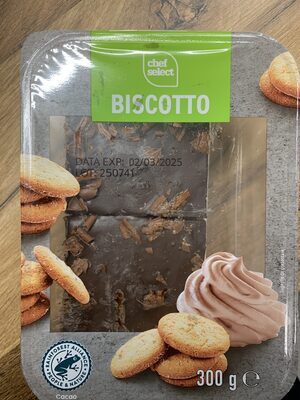
Biscotto
15
Nutrition Score
Poor

Biscotto

4056489684046
Starts at 50. Rises with whole foods, proteins, vitamins; drops with added sugars, trans fats, and syrups.
35
Hazard Score
Hazardous
43
Mirella Index
Basic
Quality category: Gourmet (80+), Everyday (50–79), or Basic (0–49)
Ingredients
Water
Water  ·  No known concerns
The most common ingredient in processed foods.
Sugar (Sucrose)
Sugar  ·  −4 pts
Moderate health concern Source: WHO, FDA
Common refined sugar. High consumption is linked to obesity, type 2 diabetes, and tooth decay.
Margarine
Margarine  ·  −2 pts
Spreadable fat made from vegetable oils, used as a butter alternative in baking and on bread. Modern formulations avoid trans fats, though some contain saturated fat.
Palm Oil
Palm-Oil  ·  −5 pts
Moderate health concern Source: WHO, EFSA
Widely used vegetable fat. High in saturated fats; linked to cardiovascular risk. Environmental concerns.
sunflower oil
sunflower oil  ·  No known concerns
Vegetable oil pressed from sunflower seeds, commonly used for cooking and frying due to its light flavor.
Coconut Oil
CoconutOil  ·  −3 pts
Moderate health concern Source: FDA
Edible oil extracted from the kernel or meat of mature coconuts. High in saturated fat.
Mono- and Diglycerides of Fatty Acids
E471  ·  −3 pts
Moderate health concern Source: EFSA, FDA
Common emulsifiers derived from fats. May contain trans fats. Used in bread, margarine, and ice cream.
Salt (Sodium Chloride)
Salt  ·  −2 pts
Moderate health concern Source: WHO, FDA
Common table salt used for flavouring and preservation. High intake is linked to hypertension.
Potassium Sorbate
E202  ·  −2 pts
Moderate health concern Source: EFSA, FDA
Widely used mild preservative to prevent mold. Generally recognized as safe within standard legal limits.
Citric Acid
E330  ·  No known concerns
Natural organic acid used as an antioxidant and flavoring. Safe for ingestion.
Tocopherol (Vitamin E)
E306  ·  No known concerns
Natural vitamin E extract used as an antioxidant in fats and oils. Essential nutrient.
Ascorbyl Palmitate
E304  ·  No known concerns
Fat-soluble form of vitamin C, used as an antioxidant to prevent fats and oils from going rancid.
Natural Flavouring
NatFlavour  ·  No known concerns
Catch-all term for flavour compounds derived from natural sources (plants, animals, fermentation).
Beta-Carotene
E160a  ·  No known concerns
Natural orange-yellow pigment found in carrots. Acts as a precursor to vitamin A; generally safe.
Cocoa Powder
CocoaPow  ·  No known concerns
Decocoated cocoa solids providing rich chocolate flavor and intense antioxidant flavonoids.
Whole Milk Powder
WholeMilkPow  ·  No known concerns
Contains milk
Dehydrated whole cow's milk. Contains lactose and casein; allergen for milk-sensitive individuals.
wheat
wheat  ·  No known concerns
Contains cereals containing gluten
Cereal grain milled into flour for bread, pasta, and baked goods. Contains gluten.
Glucose Syrup
GlucSyrup  ·  −5 pts
Moderate health concern Source: EFSA, FDA
Refined sweetener from hydrolysed starch. High glycaemic index; linked to blood sugar spikes.
Ammonium Carbonates
E503  ·  No known concerns
Raising agent used in biscuits and cookies. Decomposes on heating to produce CO2.
Sodium Carbonates (Baking Soda)
E500  ·  No known concerns
Common raising agent and acidity regulator. Safe at normal food use levels.
Enzyme (Unspecified)
EnzymeUnspecified  ·  No known concerns
Processing aid enzyme listed on the label without further specification (common for e.g. amylase in baked goods).
Sodium Metabisulphite
E223  ·  −5 pts
Moderate health concern Source: EFSA
Contains sulphites
Sulphite preservative in wine and dried food. Significant asthma and allergy risk.
Egg
Egg  ·  No known concerns
Contains eggs
Whole chicken egg, used as a binding, leavening, and enriching ingredient in countless recipes. Contains egg allergen.
High Fructose Corn Syrup
HFCS  ·  −5 pts
Moderate health concern Source: FDA, WHO
Refined sweetener. FDA states it is not more dangerous than other sugars; broad scientific consensus finds no meaningful metabolic difference from sucrose. Still a high-glycaemic added sugar linked to obesity/metabolic risk in excess.
Diphosphates (Sodium/Potassium)
E450  ·  −5 pts
Moderate health concern Source: EFSA
Water-binding stabilizers heavily used in industrial minced meat and sausages to artificially add weight. High intake may impair calcium absorption.
Calcium Carbonate
CalciumCarb  ·  No known concerns
Common calcium supplement and anti-caking agent. Found naturally in chalk and limestone.
Starch
Starch  ·  No known concerns
Generic starch, source unspecified on the label (not further identified as corn, potato, wheat, etc).
Potassium Iodate
Potassium Iodate  ·  No known concerns
Iodine-fortification agent added to table salt (iodized salt) for public-health iodine sufficiency.
Palm Kernel Oil
PalmKernelOil  ·  −5 pts
Moderate health concern
Distinct from palm (fruit) oil — higher saturated fat share.
Lecithin
E322  ·  No known concerns
Natural emulsifier often derived from soy or eggs. Completely safe.
Sorbitan Tristearate
E492  ·  −2 pts
Emulsifier derived from sorbitol and stearic acid, used to stabilize fat-based foods like chocolate coatings and baked goods.
Fully Hydrogenated Palm Oil
HydrogPalm  ·  −8 pts
Moderate health concern
Palm oil that has been fully hydrogenated into a solid, shelf-stable fat used in baked goods and spreads. Free of trans fats, but very high in saturated fat.
Sorbitol
E420  ·  −2 pts
Moderate health concern Source: EFSA, FDA
Sugar alcohol used as a sweetener and humectant. Can have a laxative effect in large amounts.
Cellulose
E460  ·  No known concerns
Plant fibre used as an anti-caking agent, thickener, and bulking agent. Non-digestible but safe.
Carboxymethyl Cellulose
E466  ·  −2 pts
Moderate health concern Source: EFSA
Thickener and texturizer. Linked in recent studies to alterations in intestinal barriers.
Lactic Acid Esters of Mono- and Diglycerides
E472b  ·  −2 pts
Emulsifier derived from fats and lactic acid, used to improve texture and shelf life in baked goods and margarine.
Soy Lecithin
SoyLecithin  ·  No known concerns
Contains soybeans
Emulsifier derived from soybean oil. Widely used in chocolate and baked goods. Generally safe.
Milk Protein
MilkProtein  ·  No known concerns
Contains milk
Concentrated protein extracted from milk (casein and/or whey), added to boost protein content in processed foods. Contains milk allergen.
Potassium Phosphate
E340  ·  −2 pts
Mineral salt used as an acidity regulator and emulsifier in processed cheese, meat, and baked goods.
Sodium Citrate
E331  ·  No known concerns
Salt of citric acid used to control acidity and as an emulsifier in processed cheese, drinks, and desserts.
Cocoa Butter
CocoaButter  ·  No known concerns
Natural fat from cocoa beans. Rich in stearic acid; neutral effect on LDL cholesterol.
Whey Powder (Dried Whey)
WheyPowder  ·  No known concerns
Contains milk
Dried form of whey, the liquid left after cheesemaking, used to add protein and texture to processed foods. Contains milk allergen.
Lactose
Lactose  ·  −1 pts
Moderate health concern Source: EFSA, FDA
Contains milk
Milk sugar. Causes digestive issues in people with lactose intolerance.
Cocoa Mass (Liquor)
CocoaMass  ·  No known concerns
Pure ground cocoa beans. The foundational component of high-quality dark chocolate. Rich in polyphenols.
Vanilla Extract
VanillaExt  ·  No known concerns
Flavoring made by soaking vanilla pods in alcohol, used to add sweetness and aroma to baked goods and desserts.
Spices
Spices  ·  No known concerns
General term for dried plant-based seasonings such as pepper, cumin, or cinnamon, used to flavor dishes.
Advertisement
Community Reviews

Please log in to leave a review. Login

Something wrong with this product's data? v