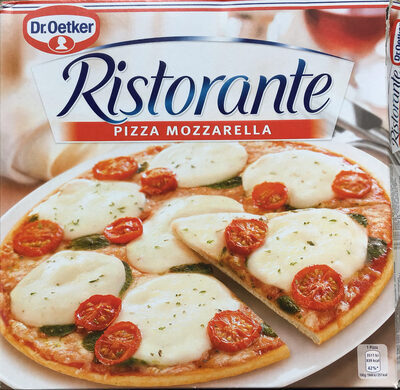
Ristorante Pizza Mozzarella
69
Nutrition Score
Moderate

Ristorante Pizza Mozzarella

4001724819806
Starts at 50. Rises with whole foods, proteins, vitamins; drops with added sugars, trans fats, and syrups.
78
Hazard Score
Use with caution
69
Mirella Index
Everyday
Quality category: Gourmet (80+), Everyday (50–79), or Basic (0–49)
Ingredients
wheat
wheat  ·  No known concerns
Contains cereals containing gluten
Cereal grain milled into flour for bread, pasta, and baked goods. Contains gluten.
with calcium
No known concerns
Iron (Ferrous Sulphate)
IronFort  ·  No known concerns
Mineral fortification added to cereals and flour. Essential nutrient; safe at normal levels.
Thiamine (Vitamin B1)
Thiamine  ·  No known concerns
Essential B vitamin that helps convert food into energy, added to fortify flour, cereals, and supplements.
b1
No known concerns
Niacin (Vitamin B3)
Niacin  ·  No known concerns
Essential B vitamin involved in energy metabolism, added to fortify flour and cereals.
b3
No known concerns
Cheese
Cheese  ·  No known concerns
Contains milk
Dairy product; contains milk (allergen).
Tomato Paste
TomatoPaste  ·  No known concerns
Concentrated cooked and strained tomatoes, used as a base for sauces, soups, and stews.
Cherry Tomatoes
CherryTomato  ·  No known concerns
Small, sweet tomato variety eaten whole in salads or roasted.
Vegetable Oil
VegOil  ·  No known concerns
General term for oil pressed from plant sources such as soybean, sunflower, or rapeseed, used for cooking and frying.
Canola Oil (Rapeseed)
CanolaOil  ·  −2 pts
Moderate health concern Source: FDA, EFSA
Vegetable oil derived from a variety of rapeseed. Low in saturated fat, high in monounsaturated fats.
Water
Water  ·  No known concerns
The most common ingredient in processed foods.
Yeast
Yeast  ·  No known concerns
Single-celled fungus used to ferment dough for bread and beer, or as a nutritional supplement (nutritional yeast).
Basil
Basil  ·  No known concerns
Aromatic herb with a sweet, peppery flavor, used fresh or dried in Mediterranean and Asian dishes.
Salt (Sodium Chloride)
Salt  ·  −2 pts
Moderate health concern Source: WHO, FDA
Common table salt used for flavouring and preservation. High intake is linked to hypertension.
Sugar (Sucrose)
Sugar  ·  −4 pts
Moderate health concern Source: WHO, FDA
Common refined sugar. High consumption is linked to obesity, type 2 diabetes, and tooth decay.
Spinach
Spinach  ·  No known concerns
Leafy green vegetable eaten raw in salads or cooked, high in iron, folate, and vitamin K.
Parsley
Parsley  ·  No known concerns
Fresh herb used as a garnish and flavoring in a wide range of savory dishes.
Garlic
Garlic  ·  No known concerns
Pungent bulb from the allium family, used fresh, dried, or powdered as a flavoring in savory cooking.
modified potato starch
No known concerns
Mono- and Diglycerides of Fatty Acids
E471  ·  −3 pts
Moderate health concern Source: EFSA, FDA
Common emulsifiers derived from fats. May contain trans fats. Used in bread, margarine, and ice cream.
Hydrolyzed Vegetable Protein (HVP)
Hydrolyzed Vegetable Protein  ·  −4 pts
Moderate health concern Source: EFSA
Plant protein broken down by acid/enzyme hydrolysis into free amino acids (incl. glutamate); used as a savoury flavour enhancer, similar effect to MSG. Source protein (soy/wheat/corn) may be a separate declared allergen.
Black Pepper
BlackPepper  ·  No known concerns
Pungent dried berry ground as the world's most common spice, used to season nearly any savory dish.
Maltodextrin
MaltodextrinIng  ·  −4 pts
Moderate health concern Source: FDA, EFSA
Highly processed starch derivative. Very high glycaemic index, used as filler and thickener.
Chili / Cayenne
Chili  ·  No known concerns
Hot pepper used fresh, dried, or ground to add heat to dishes.
Lemon
Lemon  ·  No known concerns
Citrus fruit valued for its tart juice and zest, used as a flavoring, acidifier, and source of vitamin C.
Plain Caramel
E150a  ·  No known concerns
Natural brown colorant made by heating sugar, used to darken drinks, sauces, and baked goods.
Glucose (Dextrose)
Glucose  ·  −3 pts
Moderate health concern Source: EFSA, FDA
Simple sugar used as a sweetener, energy source, and in food processing. High GI.
Paprika Extract
E160c  ·  No known concerns
Natural red-orange colorant extracted from paprika peppers, used to tint sauces, snacks, and processed meats.
Advertisement
Community Reviews

Please log in to leave a review. Login

Something wrong with this product's data? v