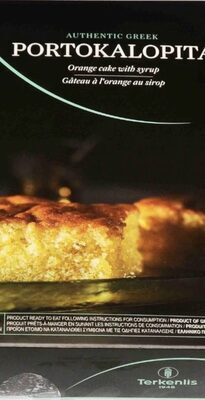
Greek Orange cake with syrup (Portokalopita)
35
Nutrition Score
Poor

Greek Orange cake with syrup (Portokalopita)

5200364123376
Starts at 50. Rises with whole foods, proteins, vitamins; drops with added sugars, trans fats, and syrups.
60
Hazard Score
Use with caution
48
Mirella Index
Basic
Quality category: Gourmet (80+), Everyday (50–79), or Basic (0–49)
Ingredients
Sugar (Sucrose)
Sugar  ·  −4 pts
Moderate health concern Source: WHO, FDA
Common refined sugar. High consumption is linked to obesity, type 2 diabetes, and tooth decay.
wheat
wheat  ·  No known concerns
Contains cereals containing gluten
Cereal grain milled into flour for bread, pasta, and baked goods. Contains gluten.
Palm Oil
Palm-Oil  ·  −5 pts
Moderate health concern Source: WHO, EFSA
Widely used vegetable fat. High in saturated fats; linked to cardiovascular risk. Environmental concerns.
Modified Starch
ModStarch  ·  −2 pts
Moderate health concern Source: EFSA, FDA
Chemically or physically treated starch for improved cooking properties. Generally safe.
Whey Powder (Dried Whey)
WheyPowder  ·  No known concerns
Contains milk
Dried form of whey, the liquid left after cheesemaking, used to add protein and texture to processed foods. Contains milk allergen.
Diphosphates (Sodium/Potassium)
E450  ·  −5 pts
Moderate health concern Source: EFSA
Water-binding stabilizers heavily used in industrial minced meat and sausages to artificially add weight. High intake may impair calcium absorption.
Sodium Carbonates (Baking Soda)
E500  ·  No known concerns
Common raising agent and acidity regulator. Safe at normal food use levels.
Sodium Stearoyl Lactylate (SSL)
E481  ·  No known concerns
Emulsifier used in baked goods to improve texture and shelf life. Generally safe.
DATEM (Diacetyl Tartaric Acid Esters)
E472e  ·  −2 pts
Moderate health concern Source: EFSA
Emulsifier and dough strengthener used in bread and cakes. Generally safe at permitted levels.
Lactic Acid Esters of Mono- and Diglycerides
E472b  ·  −2 pts
Emulsifier derived from fats and lactic acid, used to improve texture and shelf life in baked goods and margarine.
Polyglycerol Esters
E475  ·  −2 pts
Emulsifier made from glycerol and fatty acids, used to blend oil and water in baked goods, margarine, and whipped toppings.
Salt (Sodium Chloride)
Salt  ·  −2 pts
Moderate health concern Source: WHO, FDA
Common table salt used for flavouring and preservation. High intake is linked to hypertension.
Natural Flavouring
NatFlavour  ·  No known concerns
Catch-all term for flavour compounds derived from natural sources (plants, animals, fermentation).
Xanthan Gum
E415  ·  No known concerns
Thickener and stabilizer produced by bacterial fermentation. Safe in normal food amounts.
Glucose Syrup
GlucSyrup  ·  −5 pts
Moderate health concern Source: EFSA, FDA
Refined sweetener from hydrolysed starch. High glycaemic index; linked to blood sugar spikes.
skimmed milk
skimmed milk  ·  No known concerns
Contains milk
Cow's milk with the fat removed, leaving protein, calcium, and lactose. Lower in calories than whole milk; contains milk allergen.
Water
Water  ·  No known concerns
The most common ingredient in processed foods.
High Fructose Corn Syrup
HFCS  ·  −5 pts
Moderate health concern Source: FDA, WHO
Refined sweetener. FDA states it is not more dangerous than other sugars; broad scientific consensus finds no meaningful metabolic difference from sucrose. Still a high-glycaemic added sugar linked to obesity/metabolic risk in excess.
Condensed Milk
CondensedMilk  ·  −4 pts
Contains milk
Milk with water removed and sugar added, thick and very sweet, used in desserts and coffee. Contains milk allergen.
Orange Juice Concentrate
OrangeJuiceConcentrate  ·  No known concerns
Concentrated orange juice used as a food ingredient.
Cocoa Butter
CocoaButter  ·  No known concerns
Natural fat from cocoa beans. Rich in stearic acid; neutral effect on LDL cholesterol.
Sodium Citrate
E331  ·  No known concerns
Salt of citric acid used to control acidity and as an emulsifier in processed cheese, drinks, and desserts.
Potassium Sorbate
E202  ·  −2 pts
Moderate health concern Source: EFSA, FDA
Widely used mild preservative to prevent mold. Generally recognized as safe within standard legal limits.
Beta-Carotene
E160a  ·  No known concerns
Natural orange-yellow pigment found in carrots. Acts as a precursor to vitamin A; generally safe.
Paprika Extract
E160c  ·  No known concerns
Natural red-orange colorant extracted from paprika peppers, used to tint sauces, snacks, and processed meats.
Calcium Sulphate
E516  ·  No known concerns
Food-grade plaster used in tofu making and as a firming agent. Safe; adds calcium.
Orange
Orange  ·  No known concerns
Citrus fruit eaten fresh or juiced, well known as a source of vitamin C and natural sugars.
sunflower oil
sunflower oil  ·  No known concerns
Vegetable oil pressed from sunflower seeds, commonly used for cooking and frying due to its light flavor.
Egg
Egg  ·  No known concerns
Contains eggs
Whole chicken egg, used as a binding, leavening, and enriching ingredient in countless recipes. Contains egg allergen.
Orange Zest
OrangeZest  ·  No known concerns
Citric Acid
E330  ·  No known concerns
Natural organic acid used as an antioxidant and flavoring. Safe for ingestion.
Ethyl Vanillin
EthylVanillin  ·  No known concerns
Synthetic aroma compound mimicking vanilla bean flavor. Highly concentrated flavor profile; completely safe for human ingestion.
Advertisement
Community Reviews

Please log in to leave a review. Login

Something wrong with this product's data? v