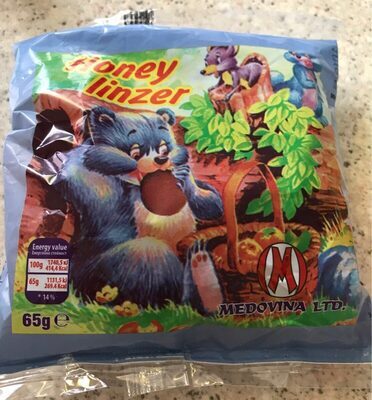
Honey Linzer
17
Nutrition Score
Poor

Honey Linzer

3800204340066
Starts at 50. Rises with whole foods, proteins, vitamins; drops with added sugars, trans fats, and syrups.
49
Hazard Score
Hazardous
39
Mirella Index
Basic
Quality category: Gourmet (80+), Everyday (50–79), or Basic (0–49)
Ingredients
wheat
wheat  ·  No known concerns
Contains cereals containing gluten
Cereal grain milled into flour for bread, pasta, and baked goods. Contains gluten.
High Fructose Corn Syrup
HFCS  ·  −5 pts
Moderate health concern Source: FDA, WHO
Refined sweetener. FDA states it is not more dangerous than other sugars; broad scientific consensus finds no meaningful metabolic difference from sucrose. Still a high-glycaemic added sugar linked to obesity/metabolic risk in excess.
Sugar (Sucrose)
Sugar  ·  −4 pts
Moderate health concern Source: WHO, FDA
Common refined sugar. High consumption is linked to obesity, type 2 diabetes, and tooth decay.
Fruit Jam / Preserve
Jam  ·  −5 pts
Fruit preserve with substantial added sugar.
Apple
Apple  ·  No known concerns
Common tree fruit eaten fresh, dried, or processed into juice and sauce. A source of fiber and vitamin C.
Citric Acid
E330  ·  No known concerns
Natural organic acid used as an antioxidant and flavoring. Safe for ingestion.
Potassium Sorbate
E202  ·  −2 pts
Moderate health concern Source: EFSA, FDA
Widely used mild preservative to prevent mold. Generally recognized as safe within standard legal limits.
Water
Water  ·  No known concerns
The most common ingredient in processed foods.
sunflower oil
sunflower oil  ·  No known concerns
Vegetable oil pressed from sunflower seeds, commonly used for cooking and frying due to its light flavor.
Partially Hydrogenated Oil
PBO  ·  −15 pts
High health concern Source: FDA, WHO
Source of industrial trans fats. Severely increases LDL cholesterol and cardiac disease risk. Strictly regulated.
Palm Oil
Palm-Oil  ·  −5 pts
Moderate health concern Source: WHO, EFSA
Widely used vegetable fat. High in saturated fats; linked to cardiovascular risk. Environmental concerns.
Soya (Soybean)
SoyaIng  ·  −2 pts
Moderate health concern Source: EFSA, FDA
Contains soybeans
Common allergen; also a source of protein and plant-based alternatives. Phytoestrogen content.
Canola Oil (Rapeseed)
CanolaOil  ·  −2 pts
Moderate health concern Source: FDA, EFSA
Vegetable oil derived from a variety of rapeseed. Low in saturated fat, high in monounsaturated fats.
Sodium Carbonates (Baking Soda)
E500  ·  No known concerns
Common raising agent and acidity regulator. Safe at normal food use levels.
Diphosphates (Sodium/Potassium)
E450  ·  −5 pts
Moderate health concern Source: EFSA
Water-binding stabilizers heavily used in industrial minced meat and sausages to artificially add weight. High intake may impair calcium absorption.
Whey Powder (Dried Whey)
WheyPowder  ·  No known concerns
Contains milk
Dried form of whey, the liquid left after cheesemaking, used to add protein and texture to processed foods. Contains milk allergen.
skimmed milk
skimmed milk  ·  No known concerns
Contains milk
Cow's milk with the fat removed, leaving protein, calcium, and lactose. Lower in calories than whole milk; contains milk allergen.
Cocoa Powder
CocoaPow  ·  No known concerns
Decocoated cocoa solids providing rich chocolate flavor and intense antioxidant flavonoids.
Honey
Honey  ·  No known concerns
Natural sweetener made by bees from flower nectar, used in place of sugar in food and drinks.
Dried Egg (Egg Powder)
EggPowder  ·  No known concerns
Contains eggs
Whole eggs dehydrated to powder form. Common allergen; used in baked goods and pasta.
Carboxymethyl Cellulose
E466  ·  −2 pts
Moderate health concern Source: EFSA
Thickener and texturizer. Linked in recent studies to alterations in intestinal barriers.
Soy Lecithin
SoyLecithin  ·  No known concerns
Contains soybeans
Emulsifier derived from soybean oil. Widely used in chocolate and baked goods. Generally safe.
Polyglycerol Polyricinoleate (PGPR)
E476  ·  −2 pts
Moderate health concern Source: EFSA, FDA
Emulsifier in chocolate used to reduce viscosity and replace cocoa butter. Generally safe.
Sorbitan Tristearate
E492  ·  −2 pts
Emulsifier derived from sorbitol and stearic acid, used to stabilize fat-based foods like chocolate coatings and baked goods.
Ascorbic Acid (Vitamin C)
E300  ·  No known concerns
Natural antioxidant vitamin. Used to prevent oxidation in foods and beverages. Safe and beneficial.
Ethyl Vanillin
EthylVanillin  ·  No known concerns
Synthetic aroma compound mimicking vanilla bean flavor. Highly concentrated flavor profile; completely safe for human ingestion.
Cinnamon
Cinnamon  ·  No known concerns
Warm, sweet spice made from tree bark, used in baking, drinks, and savory dishes.
Advertisement
Community Reviews

Please log in to leave a review. Login

Something wrong with this product's data? v