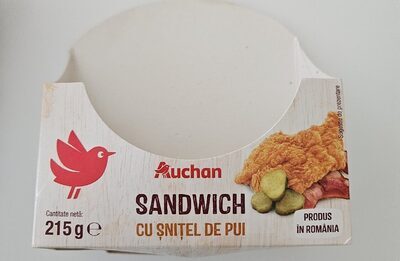
Sandwich Schnitzel
58
Nutrition Score
Moderate

Sandwich Schnitzel

5949084019766
Starts at 50. Rises with whole foods, proteins, vitamins; drops with added sugars, trans fats, and syrups.
49
Hazard Score
Hazardous
51
Mirella Index
Everyday
Quality category: Gourmet (80+), Everyday (50–79), or Basic (0–49)
Ingredients
wheat
wheat  ·  No known concerns
Contains cereals containing gluten
Cereal grain milled into flour for bread, pasta, and baked goods. Contains gluten.
Water
Water  ·  No known concerns
The most common ingredient in processed foods.
Sugar (Sucrose)
Sugar  ·  −4 pts
Moderate health concern Source: WHO, FDA
Common refined sugar. High consumption is linked to obesity, type 2 diabetes, and tooth decay.
Palm Oil
Palm-Oil  ·  −5 pts
Moderate health concern Source: WHO, EFSA
Widely used vegetable fat. High in saturated fats; linked to cardiovascular risk. Environmental concerns.
Gluten
GlutenIng  ·  −3 pts
Moderate health concern Source: EFSA, FDA
Contains cereals containing gluten
Protein complex in wheat, rye and barley. Causes coeliac disease in ~1% of population.
Whey Powder (Dried Whey)
WheyPowder  ·  No known concerns
Contains milk
Dried form of whey, the liquid left after cheesemaking, used to add protein and texture to processed foods. Contains milk allergen.
Salt (Sodium Chloride)
Salt  ·  −2 pts
Moderate health concern Source: WHO, FDA
Common table salt used for flavouring and preservation. High intake is linked to hypertension.
Mono- and Diglycerides of Fatty Acids
E471  ·  −3 pts
Moderate health concern Source: EFSA, FDA
Common emulsifiers derived from fats. May contain trans fats. Used in bread, margarine, and ice cream.
Sodium Stearoyl Lactylate (SSL)
E481  ·  No known concerns
Emulsifier used in baked goods to improve texture and shelf life. Generally safe.
Natural Flavouring
NatFlavour  ·  No known concerns
Catch-all term for flavour compounds derived from natural sources (plants, animals, fermentation).
Ascorbic Acid (Vitamin C)
E300  ·  No known concerns
Natural antioxidant vitamin. Used to prevent oxidation in foods and beverages. Safe and beneficial.
Potato
Potato  ·  No known concerns
Starchy root vegetable eaten boiled, baked, fried, or mashed, a staple food in many cuisines.
Fruit Powder
FruitPowder  ·  No known concerns
Dehydrated, ground fruit used to add flavor, color, or nutrients to processed foods.
Curcumin
E100  ·  No known concerns
Natural yellow food coloring derived from turmeric root. Safe and beneficial.
Yeast
Yeast  ·  No known concerns
Single-celled fungus used to ferment dough for bread and beer, or as a nutritional supplement (nutritional yeast).
Sesame Seeds
SesameSeed  ·  No known concerns
Contains sesame
Small oilseeds with a nutty flavor, used whole, ground into tahini, or pressed for oil. Contains sesame allergen.
Chicken Meat
ChickenMeat  ·  No known concerns
Poultry meat from chicken, a lean source of protein used fresh, frozen, or processed.
Canola Oil (Rapeseed)
CanolaOil  ·  −2 pts
Moderate health concern Source: FDA, EFSA
Vegetable oil derived from a variety of rapeseed. Low in saturated fat, high in monounsaturated fats.
Dried Egg (Egg Powder)
EggPowder  ·  No known concerns
Contains eggs
Whole eggs dehydrated to powder form. Common allergen; used in baked goods and pasta.
Animal Protein (Unspecified Species)
AnimalProteinUnspecified  ·  No known concerns
Protein of animal origin declared on the label without naming the specific animal species used.
Spices
Spices  ·  No known concerns
General term for dried plant-based seasonings such as pepper, cumin, or cinnamon, used to flavor dishes.
White Pepper
White Pepper  ·  No known concerns
White pepper spice, from the same plant as black pepper.
Oregano
Oregano  ·  No known concerns
Aromatic Mediterranean herb, used fresh or dried to season pizza, pasta, and grilled dishes.
sunflower oil
sunflower oil  ·  No known concerns
Vegetable oil pressed from sunflower seeds, commonly used for cooking and frying due to its light flavor.
Vinegar
Vinegar  ·  No known concerns
Sour liquid made by fermenting alcohol into acetic acid, used as a preservative and flavoring in dressings and pickles.
Mustard
Mustard  ·  No known concerns
Contains mustard
Pungent condiment made from ground mustard seeds mixed with liquid, used as a spread and flavoring. Contains mustard allergen.
Cheddar Cheese
Cheddar  ·  −3 pts
Firm English cheese ranging from mild to sharp, widely used sliced, grated, or melted.
Modified Starch
ModStarch  ·  −2 pts
Moderate health concern Source: EFSA, FDA
Chemically or physically treated starch for improved cooking properties. Generally safe.
Onion
Onion  ·  No known concerns
Pungent bulb vegetable used raw or cooked as a base flavoring in savory dishes worldwide.
Lactic Acid
E270  ·  No known concerns
Natural acid produced by fermentation. Safe preservative and acidity regulator in many foods.
Xanthan Gum
E415  ·  No known concerns
Thickener and stabilizer produced by bacterial fermentation. Safe in normal food amounts.
Beta-Carotene
E160a  ·  No known concerns
Natural orange-yellow pigment found in carrots. Acts as a precursor to vitamin A; generally safe.
Potassium Sorbate
E202  ·  −2 pts
Moderate health concern Source: EFSA, FDA
Widely used mild preservative to prevent mold. Generally recognized as safe within standard legal limits.
Sodium Benzoate
E211  ·  −5 pts
Moderate health concern Source: FDA, EFSA
Common preservative. Can react with Vitamin C to form benzene (a known carcinogen).
Capsaicin (Chilli Extract)
Capsaicin  ·  No known concerns
Pungent compound from chilli peppers, used to add heat to sauces and preserves.
Calcium Disodium EDTA
E385  ·  −4 pts
Moderate health concern Source: FDA, EFSA
Chelating preservative in canned and bottled foods. Strips minerals; raises concerns at high doses.
Lettuce
Lettuce  ·  No known concerns
Leafy salad vegetable, including iceberg lettuce.
Pork Meat
PorkMeat  ·  No known concerns
Whole animal protein. Base component of traditional minced meat and sausages.
Sodium Ascorbate
E301  ·  No known concerns
Sodium salt of vitamin C. Antioxidant and preservative. Safe and nutritionally beneficial.
Sodium Nitrite
E250  ·  −15 pts
High health concern Source: IARC
Preservative in cured meats. Its nitrosamine by-products are a key mechanism behind IARC classifying processed meat consumption as Group 1 carcinogenic to humans.
Wood Smoke (Beechwood)
SmokeFlavouring  ·  −1 pts
Natural smoke from burning wood, used to flavour cured meats; may contain trace PAHs.
Advertisement
Community Reviews

Please log in to leave a review. Login

Something wrong with this product's data? v