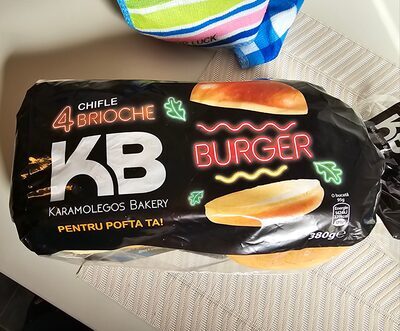
Chifla Brioche
50
Nutrition Score
Moderate

Chifla Brioche

5941867191089
Starts at 50. Rises with whole foods, proteins, vitamins; drops with added sugars, trans fats, and syrups.
68
Hazard Score
Use with caution
45
Mirella Index
Basic
Quality category: Gourmet (80+), Everyday (50–79), or Basic (0–49)
Ingredients
wheat
wheat  ·  No known concerns
Contains cereals containing gluten
Cereal grain milled into flour for bread, pasta, and baked goods. Contains gluten.
Water
Water  ·  No known concerns
The most common ingredient in processed foods.
Yeast
Yeast  ·  No known concerns
Single-celled fungus used to ferment dough for bread and beer, or as a nutritional supplement (nutritional yeast).
Buttermilk
Buttermilk  ·  No known concerns
Contains milk
Tangy, low-fat liquid traditionally left after churning butter, used in baking and dressings. Contains milk allergen.
Palm Oil
Palm-Oil  ·  −5 pts
Moderate health concern Source: WHO, EFSA
Widely used vegetable fat. High in saturated fats; linked to cardiovascular risk. Environmental concerns.
Coconut Oil
CoconutOil  ·  −3 pts
Moderate health concern Source: FDA
Edible oil extracted from the kernel or meat of mature coconuts. High in saturated fat.
Canola Oil (Rapeseed)
CanolaOil  ·  −2 pts
Moderate health concern Source: FDA, EFSA
Vegetable oil derived from a variety of rapeseed. Low in saturated fat, high in monounsaturated fats.
Lecithin
E322  ·  No known concerns
Natural emulsifier often derived from soy or eggs. Completely safe.
Mono- and Diglycerides of Fatty Acids
E471  ·  −3 pts
Moderate health concern Source: EFSA, FDA
Common emulsifiers derived from fats. May contain trans fats. Used in bread, margarine, and ice cream.
Polyglycerol Esters
E475  ·  −2 pts
Emulsifier made from glycerol and fatty acids, used to blend oil and water in baked goods, margarine, and whipped toppings.
Potassium Sorbate
E202  ·  −2 pts
Moderate health concern Source: EFSA, FDA
Widely used mild preservative to prevent mold. Generally recognized as safe within standard legal limits.
Natural Flavouring
NatFlavour  ·  No known concerns
Catch-all term for flavour compounds derived from natural sources (plants, animals, fermentation).
Citric Acid
E330  ·  No known concerns
Natural organic acid used as an antioxidant and flavoring. Safe for ingestion.
Ascorbyl Palmitate
E304  ·  No known concerns
Fat-soluble form of vitamin C, used as an antioxidant to prevent fats and oils from going rancid.
Tocopherol (Vitamin E)
E306  ·  No known concerns
Natural vitamin E extract used as an antioxidant in fats and oils. Essential nutrient.
Beta-Carotene
E160a  ·  No known concerns
Natural orange-yellow pigment found in carrots. Acts as a precursor to vitamin A; generally safe.
Whole Milk Powder
WholeMilkPow  ·  No known concerns
Contains milk
Dehydrated whole cow's milk. Contains lactose and casein; allergen for milk-sensitive individuals.
sunflower oil
sunflower oil  ·  No known concerns
Vegetable oil pressed from sunflower seeds, commonly used for cooking and frying due to its light flavor.
Protein (Unspecified Source)
ProteinUnspecified  ·  No known concerns
Protein declared on the label without naming its source.
Glucose (Dextrose)
Glucose  ·  −3 pts
Moderate health concern Source: EFSA, FDA
Simple sugar used as a sweetener, energy source, and in food processing. High GI.
Maltodextrin
MaltodextrinIng  ·  −4 pts
Moderate health concern Source: FDA, EFSA
Highly processed starch derivative. Very high glycaemic index, used as filler and thickener.
Starch
Starch  ·  No known concerns
Generic starch, source unspecified on the label (not further identified as corn, potato, wheat, etc).
Dried Egg (Egg Powder)
EggPowder  ·  No known concerns
Contains eggs
Whole eggs dehydrated to powder form. Common allergen; used in baked goods and pasta.
Salt (Sodium Chloride)
Salt  ·  −2 pts
Moderate health concern Source: WHO, FDA
Common table salt used for flavouring and preservation. High intake is linked to hypertension.
Calcium Propionate
E282  ·  −2 pts
Moderate health concern Source: FDA
Antifungal preservative used in sliced breads. May cause behavioral changes or migraines in sensitive children.
Sorbic Acid
E200  ·  −2 pts
Moderate health concern Source: EFSA, FDA
Naturally occurring preservative used in cheeses, wines and baked goods. Generally considered safe.
DATEM (Diacetyl Tartaric Acid Esters)
E472e  ·  −2 pts
Moderate health concern Source: EFSA
Emulsifier and dough strengthener used in bread and cakes. Generally safe at permitted levels.
Riboflavin (Vitamin B2)
E101  ·  No known concerns
Essential B vitamin that also acts as a natural yellow-orange food colorant, added to fortify cereals and dairy alternatives.
Ascorbic Acid (Vitamin C)
E300  ·  No known concerns
Natural antioxidant vitamin. Used to prevent oxidation in foods and beverages. Safe and beneficial.
Advertisement
Community Reviews

Please log in to leave a review. Login

Something wrong with this product's data? v