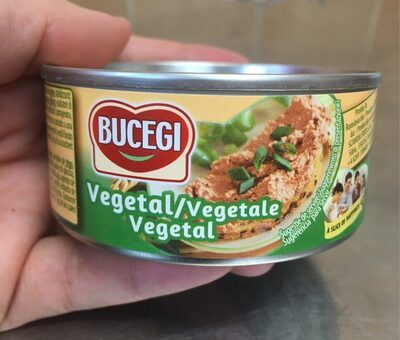
Bucegi vegetal
24
Nutrition Score
Poor

Bucegi vegetal

5941341033843
Starts at 50. Rises with whole foods, proteins, vitamins; drops with added sugars, trans fats, and syrups.
66
Hazard Score
Use with caution
10
Mirella Index
Basic
Quality category: Gourmet (80+), Everyday (50–79), or Basic (0–49)
Ingredients
Water
Water  ·  No known concerns
The most common ingredient in processed foods.
sunflower oil
sunflower oil  ·  No known concerns
Vegetable oil pressed from sunflower seeds, commonly used for cooking and frying due to its light flavor.
Soya (Soybean)
SoyaIng  ·  −2 pts
Moderate health concern Source: EFSA, FDA
Contains soybeans
Common allergen; also a source of protein and plant-based alternatives. Phytoestrogen content.
Salt (Sodium Chloride)
Salt  ·  −2 pts
Moderate health concern Source: WHO, FDA
Common table salt used for flavouring and preservation. High intake is linked to hypertension.
Wheat Starch
WheatStarch  ·  No known concerns
Contains cereals containing gluten
Starch extracted from wheat, used as a thickener; may retain trace gluten.
Polyphosphates
E452  ·  −5 pts
Moderate health concern Source: EFSA
Water-binding phosphate salts used to improve texture and shelf life in processed meat, cheese, and seafood. High phosphate intake is linked to cardiovascular and kidney concerns.
Sodium Stearoyl Lactylate (SSL)
E481  ·  No known concerns
Emulsifier used in baked goods to improve texture and shelf life. Generally safe.
Citric Acid Esters of Mono- and Diglycerides
E472c  ·  −2 pts
Emulsifier used to stabilize fats and oils and prevent separation in margarine and spreads.
Natural Flavouring
NatFlavour  ·  No known concerns
Catch-all term for flavour compounds derived from natural sources (plants, animals, fermentation).
Glucose Syrup
GlucSyrup  ·  −5 pts
Moderate health concern Source: EFSA, FDA
Refined sweetener from hydrolysed starch. High glycaemic index; linked to blood sugar spikes.
Spices
Spices  ·  No known concerns
General term for dried plant-based seasonings such as pepper, cumin, or cinnamon, used to flavor dishes.
Mustard
Mustard  ·  No known concerns
Contains mustard
Pungent condiment made from ground mustard seeds mixed with liquid, used as a spread and flavoring. Contains mustard allergen.
Celery
Celery  ·  No known concerns
Contains celery
Crunchy stalk vegetable eaten raw or cooked, low in calories. Contains celery allergen.
Monosodium Glutamate
E621  ·  −5 pts
Moderate health concern Source: EFSA, FDA
Flavor enhancer. Linked to headaches and sensitivity reactions in high doses.
Disodium Ribonucleotides
E635  ·  −3 pts
Moderate health concern Source: EFSA
Blend of E627 + E631. Strong flavour enhancer for umami. Often used with MSG.
Dehydrated Tomato Powder
TomatoPowder  ·  No known concerns
Dehydrated tomato used as flavouring/colouring in snacks.
Onion Powder
OnionPowder  ·  No known concerns
Dehydrated, ground onion used as a convenient seasoning in spice blends and processed foods.
Garlic Powder
GarlicPowder  ·  No known concerns
Dehydrated, ground garlic used as a convenient seasoning with a milder flavor than fresh garlic.
Xanthan Gum
E415  ·  No known concerns
Thickener and stabilizer produced by bacterial fermentation. Safe in normal food amounts.
Carrageenan
E407  ·  −5 pts
Moderate health concern Source: EFSA
Thickener extracted from red seaweed. Some controversial evidence links degraded types to gut inflammation.
Potassium Chloride
E508  ·  No known concerns
Metal halide salt used as a salt substitute and flavor enhancer. Can have a metallic taste.
Sodium Ascorbate
E301  ·  No known concerns
Sodium salt of vitamin C. Antioxidant and preservative. Safe and nutritionally beneficial.
Citric Acid
E330  ·  No known concerns
Natural organic acid used as an antioxidant and flavoring. Safe for ingestion.
Plain Caramel
E150a  ·  No known concerns
Natural brown colorant made by heating sugar, used to darken drinks, sauces, and baked goods.
Carmine (Cochineal extract)
E120  ·  −5 pts
Moderate health concern Source: EFSA
Natural red food coloring derived from crushed insects. Used in strawberry yogurts, sweets, and meats. Known allergen; can trigger asthma or anaphylaxis.
Paprika Extract
E160c  ·  No known concerns
Natural red-orange colorant extracted from paprika peppers, used to tint sauces, snacks, and processed meats.
Advertisement
Community Reviews

Please log in to leave a review. Login

Something wrong with this product's data? v