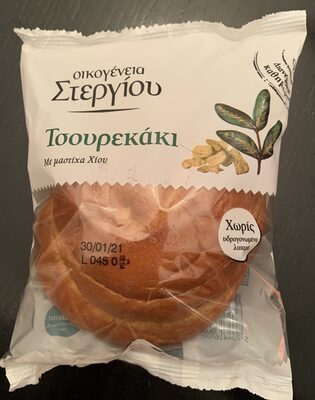
Τσουρεκάκι με μαστίχα Χίου
41
Nutrition Score
Poor

Τσουρεκάκι με μαστίχα Χίου

5204416012700
Starts at 50. Rises with whole foods, proteins, vitamins; drops with added sugars, trans fats, and syrups.
68
Hazard Score
Use with caution
45
Mirella Index
Basic
Quality category: Gourmet (80+), Everyday (50–79), or Basic (0–49)
Ingredients
wheat
wheat  ·  No known concerns
Contains cereals containing gluten
Cereal grain milled into flour for bread, pasta, and baked goods. Contains gluten.
High Fructose Corn Syrup
HFCS  ·  −5 pts
Moderate health concern Source: FDA, WHO
Refined sweetener. FDA states it is not more dangerous than other sugars; broad scientific consensus finds no meaningful metabolic difference from sucrose. Still a high-glycaemic added sugar linked to obesity/metabolic risk in excess.
Sugar (Sucrose)
Sugar  ·  −4 pts
Moderate health concern Source: WHO, FDA
Common refined sugar. High consumption is linked to obesity, type 2 diabetes, and tooth decay.
Palm Oil
Palm-Oil  ·  −5 pts
Moderate health concern Source: WHO, EFSA
Widely used vegetable fat. High in saturated fats; linked to cardiovascular risk. Environmental concerns.
Soybean Oil
SoybeanOil  ·  No known concerns
Contains soybeans
Vegetable oil pressed from soybeans, widely used for cooking and in processed foods. Contains soy allergen.
Water
Water  ·  No known concerns
The most common ingredient in processed foods.
Salt (Sodium Chloride)
Salt  ·  −2 pts
Moderate health concern Source: WHO, FDA
Common table salt used for flavouring and preservation. High intake is linked to hypertension.
Mono- and Diglycerides of Fatty Acids
E471  ·  −3 pts
Moderate health concern Source: EFSA, FDA
Common emulsifiers derived from fats. May contain trans fats. Used in bread, margarine, and ice cream.
Polyglycerol Esters
E475  ·  −2 pts
Emulsifier made from glycerol and fatty acids, used to blend oil and water in baked goods, margarine, and whipped toppings.
Citric Acid
E330  ·  No known concerns
Natural organic acid used as an antioxidant and flavoring. Safe for ingestion.
Beta-Carotene
E160a  ·  No known concerns
Natural orange-yellow pigment found in carrots. Acts as a precursor to vitamin A; generally safe.
Natural Flavouring
NatFlavour  ·  No known concerns
Catch-all term for flavour compounds derived from natural sources (plants, animals, fermentation).
Egg
Egg  ·  No known concerns
Contains eggs
Whole chicken egg, used as a binding, leavening, and enriching ingredient in countless recipes. Contains egg allergen.
Yeast
Yeast  ·  No known concerns
Single-celled fungus used to ferment dough for bread and beer, or as a nutritional supplement (nutritional yeast).
Gluten
GlutenIng  ·  −3 pts
Moderate health concern Source: EFSA, FDA
Contains cereals containing gluten
Protein complex in wheat, rye and barley. Causes coeliac disease in ~1% of population.
Whey Powder (Dried Whey)
WheyPowder  ·  No known concerns
Contains milk
Dried form of whey, the liquid left after cheesemaking, used to add protein and texture to processed foods. Contains milk allergen.
DATEM (Diacetyl Tartaric Acid Esters)
E472e  ·  −2 pts
Moderate health concern Source: EFSA
Emulsifier and dough strengthener used in bread and cakes. Generally safe at permitted levels.
Butter (Dairy Fat)
ButterFat  ·  −2 pts
Moderate health concern Source: FDA
Contains milk
Natural dairy fat. High in saturated fat but also contains beneficial fat-soluble vitamins.
Chios Mastic (Gum/Oil)
MasticGum  ·  No known concerns
Aromatic resin/oil from the Pistacia lentiscus tree grown on Chios, used as a chewing-gum flavour/base ingredient.
Sorbitol
E420  ·  −2 pts
Moderate health concern Source: EFSA, FDA
Sugar alcohol used as a sweetener and humectant. Can have a laxative effect in large amounts.
Mahlab (Mahleb)
Mahlab  ·  No known concerns
Aromatic spice ground from the seed kernels of the Prunus mahaleb (St Lucie cherry), used in Middle Eastern and Greek baking.
Calcium Propionate
E282  ·  −2 pts
Moderate health concern Source: FDA
Antifungal preservative used in sliced breads. May cause behavioral changes or migraines in sensitive children.
Ascorbic Acid (Vitamin C)
E300  ·  No known concerns
Natural antioxidant vitamin. Used to prevent oxidation in foods and beverages. Safe and beneficial.
Advertisement
Community Reviews

Please log in to leave a review. Login

Something wrong with this product's data? v