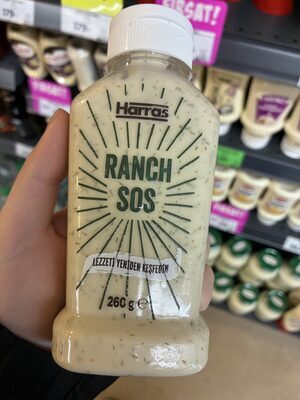
Ranch Sos
33
Nutrition Score
Poor

Ranch Sos

8684992002949
Starts at 50. Rises with whole foods, proteins, vitamins; drops with added sugars, trans fats, and syrups.
77
Hazard Score
Use with caution
24
Mirella Index
Basic
Quality category: Gourmet (80+), Everyday (50–79), or Basic (0–49)
Ingredients
Water
Water  ·  No known concerns
The most common ingredient in processed foods.
sunflower oil
sunflower oil  ·  No known concerns
Vegetable oil pressed from sunflower seeds, commonly used for cooking and frying due to its light flavor.
Canola Oil (Rapeseed)
CanolaOil  ·  −2 pts
Moderate health concern Source: FDA, EFSA
Vegetable oil derived from a variety of rapeseed. Low in saturated fat, high in monounsaturated fats.
Modified Starch
ModStarch  ·  −2 pts
Moderate health concern Source: EFSA, FDA
Chemically or physically treated starch for improved cooking properties. Generally safe.
Yogurt Powder
YogurtPowder  ·  No known concerns
Contains milk
Dehydrated yogurt used as a savoury/tangy flavour base in snacks.
Lemon Juice
LemonJuice  ·  No known concerns
Sugar (Sucrose)
Sugar  ·  −4 pts
Moderate health concern Source: WHO, FDA
Common refined sugar. High consumption is linked to obesity, type 2 diabetes, and tooth decay.
Spices
Spices  ·  No known concerns
General term for dried plant-based seasonings such as pepper, cumin, or cinnamon, used to flavor dishes.
Egg Yolk
EggYolk  ·  No known concerns
Contains eggs
Yolk portion of hen eggs, fresh or dried; natural emulsifier rich in lecithin.
Salt (Sodium Chloride)
Salt  ·  −2 pts
Moderate health concern Source: WHO, FDA
Common table salt used for flavouring and preservation. High intake is linked to hypertension.
Vinegar
Vinegar  ·  No known concerns
Sour liquid made by fermenting alcohol into acetic acid, used as a preservative and flavoring in dressings and pickles.
Xanthan Gum
E415  ·  No known concerns
Thickener and stabilizer produced by bacterial fermentation. Safe in normal food amounts.
Hydrochloric Acid
E507  ·  No known concerns
Inorganic acid used as an acidity regulator, mainly in small amounts in processed foods and sauces.
Citric Acid
E330  ·  No known concerns
Natural organic acid used as an antioxidant and flavoring. Safe for ingestion.
Sodium Benzoate
E211  ·  −5 pts
Moderate health concern Source: FDA, EFSA
Common preservative. Can react with Vitamin C to form benzene (a known carcinogen).
Sorbic Acid
E200  ·  −2 pts
Moderate health concern Source: EFSA, FDA
Naturally occurring preservative used in cheeses, wines and baked goods. Generally considered safe.
Yeast Extract
YeastExt  ·  −2 pts
Moderate health concern Source: EFSA, FDA
Flavour enhancer with natural umami taste from autolysed yeast. Contains naturally occurring glutamates.
Natural Flavouring
NatFlavour  ·  No known concerns
Catch-all term for flavour compounds derived from natural sources (plants, animals, fermentation).
Calcium Disodium EDTA
E385  ·  −4 pts
Moderate health concern Source: FDA, EFSA
Chelating preservative in canned and bottled foods. Strips minerals; raises concerns at high doses.
Advertisement
Community Reviews

Please log in to leave a review. Login

Something wrong with this product's data? v