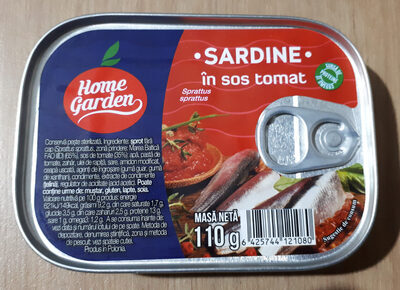
Sardine în sos tomat
44
Nutrition Score
Poor

Sardine în sos tomat

6425744121080
Starts at 50. Rises with whole foods, proteins, vitamins; drops with added sugars, trans fats, and syrups.
88
Hazard Score
Healthy
41
Mirella Index
Basic
Quality category: Gourmet (80+), Everyday (50–79), or Basic (0–49)
Ingredients
Orris Root
OrrisRoot  ·  No known concerns
Dried root of the iris plant with a violet-like scent, used as a fixative in flavorings and perfumery.
Water
Water  ·  No known concerns
The most common ingredient in processed foods.
Tomato Paste
TomatoPaste  ·  No known concerns
Concentrated cooked and strained tomatoes, used as a base for sauces, soups, and stews.
Sugar (Sucrose)
Sugar  ·  −4 pts
Moderate health concern Source: WHO, FDA
Common refined sugar. High consumption is linked to obesity, type 2 diabetes, and tooth decay.
Canola Oil (Rapeseed)
CanolaOil  ·  −2 pts
Moderate health concern Source: FDA, EFSA
Vegetable oil derived from a variety of rapeseed. Low in saturated fat, high in monounsaturated fats.
Salt (Sodium Chloride)
Salt  ·  −2 pts
Moderate health concern Source: WHO, FDA
Common table salt used for flavouring and preservation. High intake is linked to hypertension.
Modified Starch
ModStarch  ·  −2 pts
Moderate health concern Source: EFSA, FDA
Chemically or physically treated starch for improved cooking properties. Generally safe.
Onion Powder
OnionPowder  ·  No known concerns
Dehydrated, ground onion used as a convenient seasoning in spice blends and processed foods.
Guar Gum
E412  ·  No known concerns
Natural thickener from guar beans. Used in dairy products, sauces, and gluten-free products.
Xanthan Gum
E415  ·  No known concerns
Thickener and stabilizer produced by bacterial fermentation. Safe in normal food amounts.
Vegetable Oil
VegOil  ·  No known concerns
General term for oil pressed from plant sources such as soybean, sunflower, or rapeseed, used for cooking and frying.
Natural Flavouring
NatFlavour  ·  No known concerns
Catch-all term for flavour compounds derived from natural sources (plants, animals, fermentation).
Celery
Celery  ·  No known concerns
Contains celery
Crunchy stalk vegetable eaten raw or cooked, low in calories. Contains celery allergen.
Acetic Acid (Glacial)
E260  ·  −2 pts
Moderate health concern Source: FDA
Concentrated acid used to fake traditional fermentation in cheap vinegars (synthetic vinegar). Safe but nutritionally empty.
Advertisement
Community Reviews

Please log in to leave a review. Login

Something wrong with this product's data? v