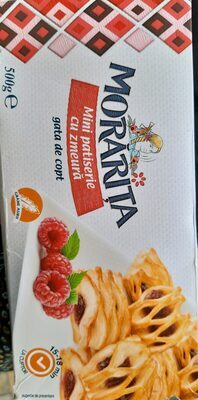
minipatiserie cu zmeura
33
Nutrition Score
Poor

minipatiserie cu zmeura

5941874402093
Starts at 50. Rises with whole foods, proteins, vitamins; drops with added sugars, trans fats, and syrups.
68
Hazard Score
Use with caution
46
Mirella Index
Basic
Quality category: Gourmet (80+), Everyday (50–79), or Basic (0–49)
Ingredients
wheat
wheat  ·  No known concerns
Contains cereals containing gluten
Cereal grain milled into flour for bread, pasta, and baked goods. Contains gluten.
Margarine
Margarine  ·  −2 pts
Spreadable fat made from vegetable oils, used as a butter alternative in baking and on bread. Modern formulations avoid trans fats, though some contain saturated fat.
Water
Water  ·  No known concerns
The most common ingredient in processed foods.
Mono- and Diglycerides of Fatty Acids
E471  ·  −3 pts
Moderate health concern Source: EFSA, FDA
Common emulsifiers derived from fats. May contain trans fats. Used in bread, margarine, and ice cream.
Polyglycerol Esters
E475  ·  −2 pts
Emulsifier made from glycerol and fatty acids, used to blend oil and water in baked goods, margarine, and whipped toppings.
Soy Lecithin
SoyLecithin  ·  No known concerns
Contains soybeans
Emulsifier derived from soybean oil. Widely used in chocolate and baked goods. Generally safe.
Salt (Sodium Chloride)
Salt  ·  −2 pts
Moderate health concern Source: WHO, FDA
Common table salt used for flavouring and preservation. High intake is linked to hypertension.
Sorbic Acid
E200  ·  −2 pts
Moderate health concern Source: EFSA, FDA
Naturally occurring preservative used in cheeses, wines and baked goods. Generally considered safe.
Citric Acid
E330  ·  No known concerns
Natural organic acid used as an antioxidant and flavoring. Safe for ingestion.
Beta-Carotene
E160a  ·  No known concerns
Natural orange-yellow pigment found in carrots. Acts as a precursor to vitamin A; generally safe.
Ascorbic Acid (Vitamin C)
E300  ·  No known concerns
Natural antioxidant vitamin. Used to prevent oxidation in foods and beverages. Safe and beneficial.
Enzyme (Unspecified)
EnzymeUnspecified  ·  No known concerns
Processing aid enzyme listed on the label without further specification (common for e.g. amylase in baked goods).
Diphosphates (Sodium/Potassium)
E450  ·  −5 pts
Moderate health concern Source: EFSA
Water-binding stabilizers heavily used in industrial minced meat and sausages to artificially add weight. High intake may impair calcium absorption.
Sodium Carbonates (Baking Soda)
E500  ·  No known concerns
Common raising agent and acidity regulator. Safe at normal food use levels.
Sourdough Starter
SourdoughStarter  ·  No known concerns
Live fermentation culture of wild yeast + lactobacilli used to leaven bread.
Barley Malt
Malt  ·  No known concerns
Contains cereals containing gluten
Barley grain sprouted and dried to make a natural sweetener and flavoring. Used in bread, beer, and breakfast cereals; contains gluten.
Glucose Syrup
GlucSyrup  ·  −5 pts
Moderate health concern Source: EFSA, FDA
Refined sweetener from hydrolysed starch. High glycaemic index; linked to blood sugar spikes.
Isomalt
E953  ·  −2 pts
Sugar alcohol used as a low-calorie sweetener in sugar-free candy and chewing gum; can cause digestive discomfort in large amounts.
Agar
E406  ·  No known concerns
Natural plant-based gelling agent from red algae. Vegan alternative to gelatin.
Potassium Sorbate
E202  ·  −2 pts
Moderate health concern Source: EFSA, FDA
Widely used mild preservative to prevent mold. Generally recognized as safe within standard legal limits.
Raspberry
Raspberry  ·  No known concerns
Small red berry with a tart-sweet flavor, eaten fresh or used in jams, desserts, and sauces.
Fructose-Glucose Syrup
FructoseGlucoseSyrup  ·  −5 pts
Moderate health concern Source: FDA, WHO
Refined sweetener, same substance as high-fructose corn syrup/isoglucose. Not considered more harmful than other added sugars by FDA; still a high-glycaemic sweetener best consumed in moderation.
Modified Starch
ModStarch  ·  −2 pts
Moderate health concern Source: EFSA, FDA
Chemically or physically treated starch for improved cooking properties. Generally safe.
Anthocyanins
E163  ·  No known concerns
Natural blue-red pigments found in berries, red cabbage, and grapes. Rich in antioxidants.
Beetroot Red (Betanin)
E162  ·  No known concerns
Natural red pigment from red beet. Safe for most people; may cause red urine (harmless).
Advertisement
Community Reviews

Please log in to leave a review. Login

Something wrong with this product's data? v